In a display of solidarity, late-night hosts have rallied together following the indefinite suspension of Jimmy Kimmel Live! by ABC. The suspension, believed to be influenced by political pressures, has prompted a wave of critiques and pointed remarks from fellow comedic hosts. As they defend their colleague and challenge the administration, these hosts highlight the importance of preserving comedic freedom and resisting any form of autocratic control.
The Outcry Against Censorship
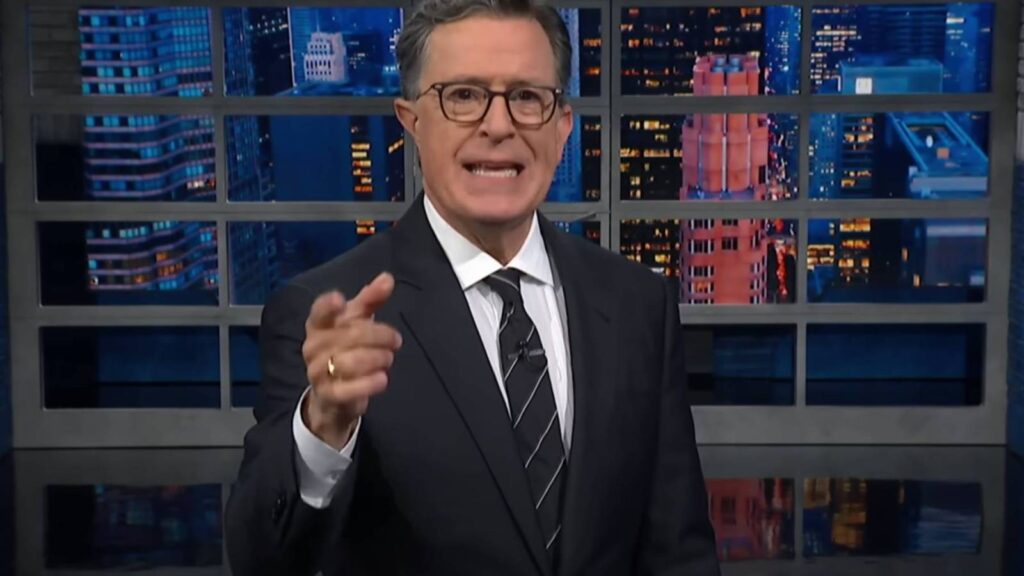
The suspension of Jimmy Kimmel has been a contentious topic, with Stephen Colbert leading the charge against what he calls “blatant censorship.” During his monologue, Colbert urged viewers to recognize the dangers of conceding to autocratic demands. He cleverly criticized proposals like renaming the Gulf of Mexico and quipped, “It always starts small… with an autocrat, you cannot give an inch.” Colbert’s sharp commentary underscored the broader conversation about freedom of expression, warning that appeasing such demands only emboldens further restrictions.
Satirical Reactions from Fellow Hosts
Joining the conversation, Jon Stewart provided a satirical take by depicting an “administration-compliant show” that mocked the kind of sycophantic behavior he fears might become normalized. His performance involved humorously over-the-top praise for the president, engaging his audience while addressing serious concerns. Meanwhile, Jimmy Fallon offered a more subdued response on The Tonight Show, expressing confusion over the situation, but vouching for Kimmel as “a decent, funny and loving guy.” Although his commentary was lighthearted, the undertone of uncertainty was palpable.
Addressing Implications for Freedom
Seth Meyers weighed in with a critical segment during his “Closer Look” feature, emphasizing the contradiction between promises to end censorship and the actions being taken. He warned of a troubling shift towards oppressive autocracy, drawing comparisons to regimes in Russia and Hungary. Meyers passionately defended his editorial freedom, asserting it as both a right and a duty. He praised Kimmel, calling his friendship and collaboration a privilege, reinforcing the notion that freedom of speech is worth staunchly defending.
As these hosts continue to use their platforms to advocate for Kimmel and challenge autocratic tendencies, the discussion highlights the critical role comedy plays in political discourse. The unity among late-night hosts, epitomized by their unwavering support for Kimmel, serves as a reminder of the power of collective action in safeguarding fundamental freedoms.