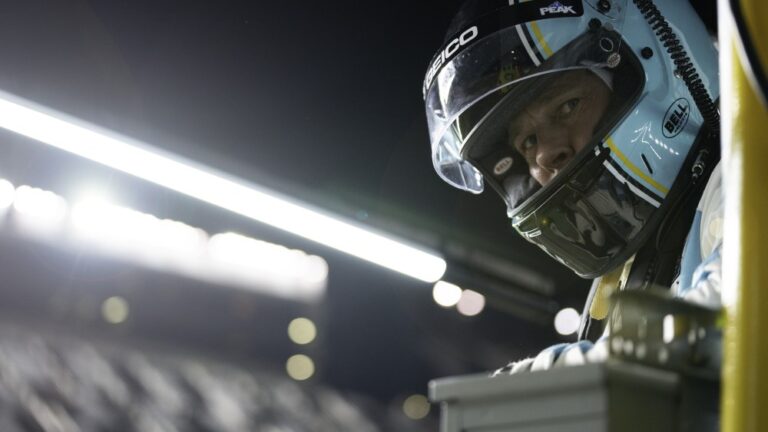
In a groundbreaking move to elevate cinematic experiences, the sound team behind the film “F1” took an innovative approach to capture the true essence of Formula 1. By placing microphones on racing car air ducts and exhausts, they aimed to deliver ‘full-fat sounds’ that transport audiences into the heart of the action. This meticulous attention to audio detail plays a crucial role in immersing viewers into the high-octane world of Formula 1, marking a first in movie-making history.
Revolutionizing the Racing Film Soundscape
Director Joseph Kosinski challenged his team to create an immersive experience that places audiences inside an F1 car. Until now, the genuine roar of Formula 1 had remained elusive in cinema due to licensing constraints. Re-recording mixer Juan Peralta highlighted the unique challenge, explaining, “Formula 1 has been so tied up in rights, so there’s never a movie made about it. Being in the car, in a theatrical environment, especially the F1 car, is a new thing.” The goal was to capture the sheer speed and intensity of the races as authentically as possible.
A Star-Studded Return to the Tracks
The film stars Brad Pitt as Sonny Hayes, a retired Formula 1 driver. His character is lured back by Ruben, portrayed by Javier Bardem, to mentor rookie Joshua Pearce, played by Damson Idris. The narrative unfolds mid-season with hopes of revitalizing an underdog team’s fortune on the podium.
To capture the authentic sound environment, supervising sound editor Al Nelson, along with production sound mixer Gareth John, strategically placed microphones in Formula 2 cars. The team later collaborated with Mercedes AMG engineers, ensuring the cars were equipped with recording devices to collect genuine F1 acoustics.
Crafting Authenticity on Real Tracks
Using DPA microphones similar to those in actual Formula 1 races, the team captured sounds from diverse angles around the track. This rigorous process involved positioning microphones with precision, even risking equipment near exhausts to achieve the desired full-fat sound. “We were trying air ducts and just the best places where we could really catch some full-fat sound and immerse the audience in the world,” John observed.
The team traversed iconic circuits globally, from Silverstone to Las Vegas and Abu Dhabi, each venue offering its unique acoustic signature. Gwen Whittle, supervising sound editor, noted the diverse crowd sounds, particularly the multilingual fans in Las Vegas, enhancing the film’s authenticity.
A Harmonious Blend of Sound and Score
Incorporating Hans Zimmer’s electrifying score added another layer of depth to the film. Re-recording mixer Gary Rizzo articulated the delicate balance required, aiming to complement the speed and emotion without overshadowing the natural sounds. Iconic F1 commentators Martin Brundle and David Croft’s dynamic contributions enriched the narrative, blending expert insights with humor.
Each race scene posed its challenges, especially Silverstone which lacked musical support. “There’s no music in Silverstone; it was trying to keep that energy up just with sound effects,” shared Peralta. The endeavor succeeded in capturing the authentic chaos and adrenaline associated with real F1 events, setting a new standard for racing films.