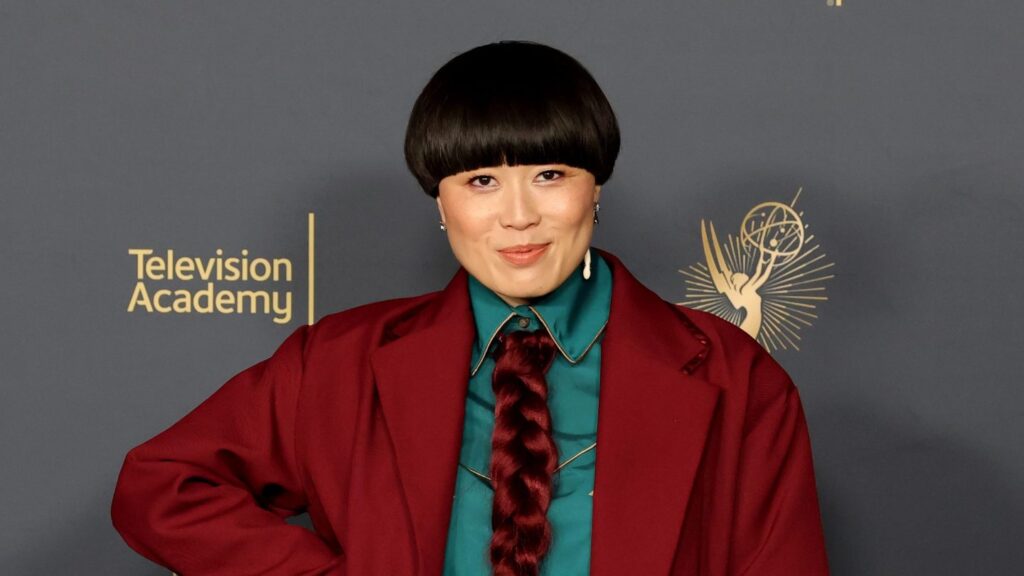
In a world where comedy often skirts the boundaries of social norms, the Riyadh Comedy Festival in Saudi Arabia presents a unique case study on “censorship rules.” Atsuko Okatsuka, a prominent comedian, has shed light on the constraints faced by performers at this festival. Her revelations provide an intriguing glimpse into the intersection of humor and authority in a setting where laughter is tightly regulated.
The Controversial Offer
Atsuko Okatsuka has shared insights into the offer she received to perform at Saudi Arabia’s Riyadh Comedy Festival. Taking to Threads, she posted a screenshot of the alleged offer, highlighting the “censorship rules” that come attached. According to Okatsuka, these rules are a stark reminder to comedians — often those lamenting over free speech — about the boundaries they must navigate.
Okatsuka expressed concern over the source of the festival’s funding, reportedly “coming straight from the Crown Prince.” She pointed out the prince’s infamous track record involving the execution of journalists and others without due process. She noted, “A lot of the ‘you can’t say anything anymore!’ comedians are doing the festival…they had to adhere to censorship rules.”
Riyadh Comedy Festival Line-Up
The Riyadh Comedy Festival, which commenced on a recent Friday and concludes on October 9, boasts an impressive lineup. Renowned comedians such as Dave Chappelle, Kevin Hart, Bill Burr, Russell Peters, Gabriel Iglesias, and Pete Davidson are set to perform. Yet, amid the excitement, the “censorship rules” remain a poignant topic of discussion.
Okatsuka disclosed a screenshot detailing the “Content Restrictions” in her alleged offer. It explicitly prohibits performers from degrading or defaming the Kingdom of Saudi Arabia, its leadership, or various religious entities. This restrictive environment frames a complex landscape for artists who thrive on pushing boundaries.
Reactions from the Comedy Community
Marc Maron, a fellow comedian, has criticized those participating in the festival. In a video from one of his shows, the WTF podcast host referenced Saudi officials’ alleged involvement in historical incidents, including the 9/11 attacks and the assassination of journalist Jamal Khashoggi. Maron’s critique underscores the ethical dilemmas faced by entertainers in such environments.
“I mean, how do you even promote that? You know, like, ‘From the folks that brought you 9/11. Two weeks of laughter in the desert, don’t miss it!’” Maron remarked. He added that the same individuals funding the festival were implicated in Khashoggi’s murder, bringing a sharp angle to the conversation on comedy and censorship.
Atsuko Okatsuka’s revelations about the Riyadh Comedy Festival highlight the intricate balance comedians must maintain between their craft and the realities of performing under “censorship rules.” As the stand-up circuit continues to navigate global territories, the dialogue around these constraints becomes increasingly critical.