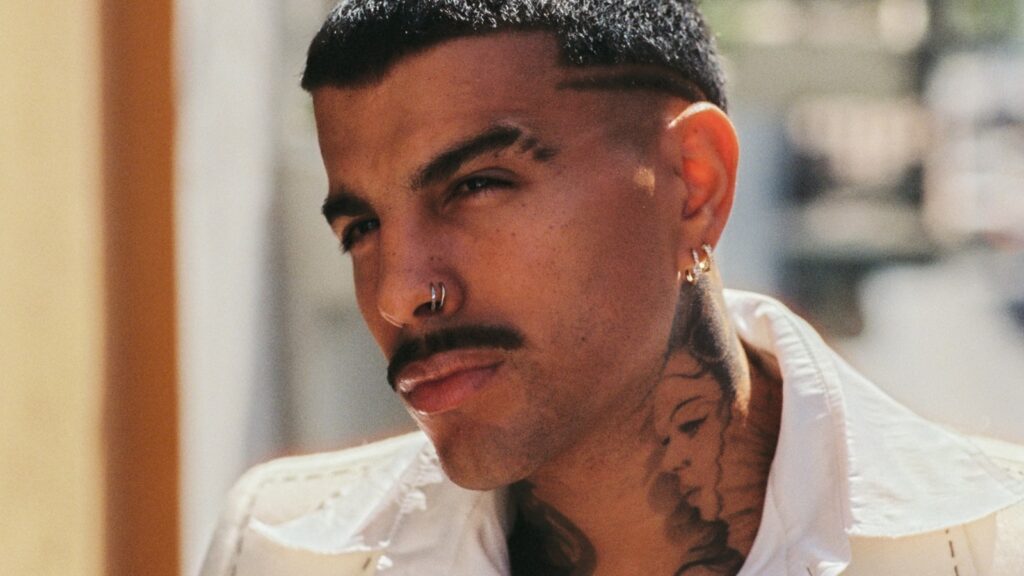
In “Rauw Alejandro Takes a Spin Around the Caribbean,” the iconic artist embarks on a vibrant musical journey through the rich cultural landscapes of the Caribbean. His latest album, Cosa Nuestra: Capítulo 0, serves as both a tribute and exploration of the diverse sounds that define this region. With a focus on Caribbean music, Alejandro delves into genres and influences that embody the heart and soul of the islands. This article offers a deeper look into how Rauw Alejandro masterfully captures the essence and influence of Caribbean music in his work.
Halfway through the second track off his newest album, Cosa Nuestra: Capítulo 0, Rauw Alejandro sings: “The Caribbean can’t be explained; it’s felt, it’s lived, it’s honored.” If the album has a thesis, those lines would be it.
Exploring Caribbean Rhythms
On last year’s Cosa Nuestra — which he’s said Capítulo 0 (“Chapter 0”) is a prequel of — Rauw explored different genres linked to the Caribbean, all through the lens of cultural exchange between the region and North America. This dialogue fused son cubano, jazz, bomba, hip-hop, reggae, and more, paving the way for salsa, reggaetón, bachatón, and Latin trap, all prominently featured on Cosa Nuestra. His attention has been focused on the more urban and flashy manifestations of Caribbean music.
With Capítulo 0, Rauw Alejandro’s aim is even more ambitious. He seeks to capture the entirety of the Caribbean’s music and cultural offerings. The album’s back cover art illustrates a stylized map of the region’s islands, from the Lesser Antilles to Puerto Rico, Hispaniola, Cuba, Jamaica, and The Bahamas. Comparisons to Bad Bunny’s AOTY contender are inevitable, connecting both artists through their shared Puerto Rican roots.
Celebrating Caribbean Diversity
Capítulo 0 is no DeBÍ TiRAR MáS FOToS, but that shouldn’t be seen negatively. Both artists proudly hail from Puerto Rico, bringing their unique takes on Caribbean music. Rauw’s album presents a wider ensemble, celebrating the interconnected cultures that inspired the album. He artfully weaves together the threads that unify these diverse places into a rich, pan-Caribbean artistic expression. “I believe we’re all one nation,” he reflects in a recent interview, seemingly picking up threads left by Benito.
Tracks Highlighting Cultural Roots
The album’s opening track, “Carita Linda,” showcases Alejandro and his band embracing bomba, delving into its Afro-Puerto Rican origins. He sings about the drum patterns of “yuba” and “cuembe,” which mean “to restore balance” and “to release negative emotions,” respectively. The song features a spoken word outro by Gloria and Roberto Cepeda from Bomba Ashé. Another track, “Besito en la Frente,” is poised to become the LP’s next promotional single.
“Caribeño” features guest raps by Planta Industrial member Saso, acknowledging the intertwined history across Caribbean countries. Lyrically, Rauw maintains his charismatic style, even when exploring deep cultural roots, as seen in “GuabanSexxx” and “Buenos Términos.” Last year’s pre-Cosa Nuestra afrobeats hit, “Santa,” reappears with contributions from Jamaican producer Rvssian and Nigerian Ayra Starr.
Showcasing Caribbean Classics
The Dominican Republic takes center stage in “SILENCIO” and “El Cuc0.0,” the former featuring bachata while the latter offers a lively ripiao/dembow mix. Rauw impresses with his own salsa compositions, closing the album with three brand-new tracks. “Callejón de los Secretos,” featuring Mon Laferte, stands out, while “FALSEDAD” and “Mirando Al Cielo” provide a nostalgic trip through salsa’s evolution.
Despite some minor stumbles, such as the ballad “Nostalgia de Otoño” by De La Rose, the album’s lyrical richness and deep cultural connections shine through. Rauw Alejandro uses Capítulo 0 to explore the foundational sounds of Caribbean music, underlining its indelible link to the region’s people and culture. This artistic journey highlights a cultural force that resonates powerfully across borders.