As anticipation builds for the global release of “Ramayana Part 1” on November 5, producer Namit Malhotra discusses the grand endeavor of adapting this iconic Indian epic for the screen. He emphasizes that the decision to take on such a monumental project was only viable once the right combination of talent, experience, and filmmaking expertise came together.
The Creative Team Behind the Epic
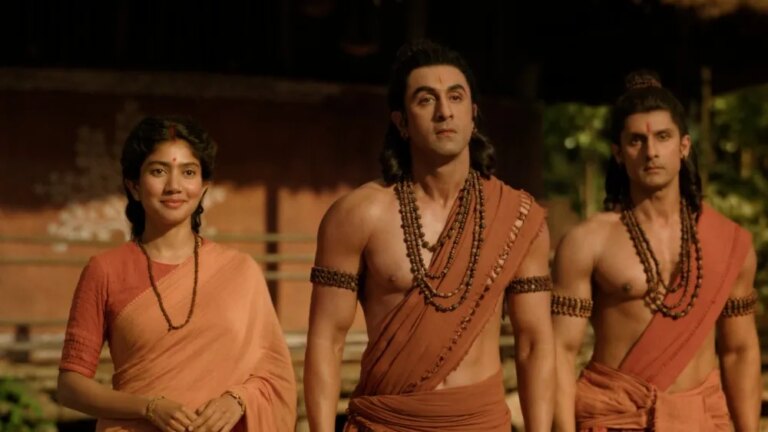
Under the direction of Nitesh Tiwari, known for hits like “Dangal” and “Chhichhore,” the film features Ranbir Kapoor in the role of Rama, a prince forced into exile after the abduction of his wife Sita (played by Sai Pallavi) by Ravana (played by Yash), the formidable king of Lanka. The soundtrack marks an exciting collaboration between renowned composers A.R. Rahman and Hans Zimmer, who unite their talents for the first time in an Indian cinematic context, with T-Series as the music label and Amazon Music as the streaming partner.
Honoring Cultural Legacy
Malhotra, the founder and CEO of the award-winning visual effects company DNEG, which has earned eight Oscars, articulates the weight of responsibility that comes with adapting a story as significant as the “Ramayana.” He explains to Variety, “We have contributed to some of the biggest films in the world, and I felt, why shouldn’t we bring that same ambition to ‘Ramayana’? That connection is what we have to honor.” With DNEG and ReDefine managing the visual effects, Malhotra’s emphasis on authenticity remains paramount. He envisions a film that resonates not only with Indian audiences but also with those encountering the tale for the first time.
Creating Intimacy Amidst Scale
Tiwari aims to bring audiences closer to a beloved story through emotionally intimate performances layered onto a grand cinematic scale. “There is an enormous difference between knowing that something happened and feeling what it meant to the people involved,” he conveys, focusing on the relationships and emotions that lie at the heart of the narrative. Although the characters and events of the “Ramayana” are well-known, Tiwari believes that understanding these moments deeply is what keeps the story moving and engaging. He cites his past work as evidence that audiences strongly resonate with the authenticity of relationships depicted on screen.
The Role of Music in Storytelling
Music serves as a cornerstone of Malhotra’s vision, with both A.R. Rahman and Hans Zimmer being instrumental to the film’s emotional landscape. Malhotra states, “There was no plan B” when it came to choosing composers, highlighting the significance of crafting a new sound that captures the essence of “Ramayana.” The score was recorded with live orchestras at AIR Studios in London, providing an enriching experience for both Indian and Western musicians alike.
Engagement and Anticipation for the Soundtrack
To create anticipation, the release of songs was strategically timed, starting with “Jai Jai Ram” ahead of the Ganesh Chaturthi festival. Malhotra’s enthusiasm about the audience’s reception to the music reflects his desire for the songs to transcend the film itself, becoming part of cultural and personal experiences. “If these songs become part of their celebrations, their prayers or their everyday lives, that would mean an enormous amount to me,” he shares.
A Cultural Moment on a Global Stage
The collaborative nature of the film’s music aligns with Amazon Music’s drive to establish itself as a significant player in the realm of Indian film music. With Indian-language songs dominating streaming services, Amazon Music is actively promoting films like “Ramayana” through engaging live events and targeted campaigns. Rishabh Gupta, general manager of Amazon Music India, states, “Streaming services are becoming collaborators in culture, not just a place where music rests,” emphasizing the importance of music as a gateway to cinema.
Looking Forward to the Future
Malhotra is enthusiastic about the second part of “Ramayana,” seeking a continuity of emotional connections established in the first film. “Music can carry that emotional connection between the two films,” he explains, with hopes that it remains a cherished part of audiences’ lives during the intermission between installments. Both he and Tiwari aim for the musical elements introduced to resonate long after the film’s theatrical release, embedding itself into the fabric of Indian cultural celebrations.
In summary, “Ramayana” is not merely a cinematic adaptation; it aims to weave together an emotional tapestry that celebrates ties between generations, cultures, and the universal human experience, a formidable challenge that its makers are wholeheartedly embracing.