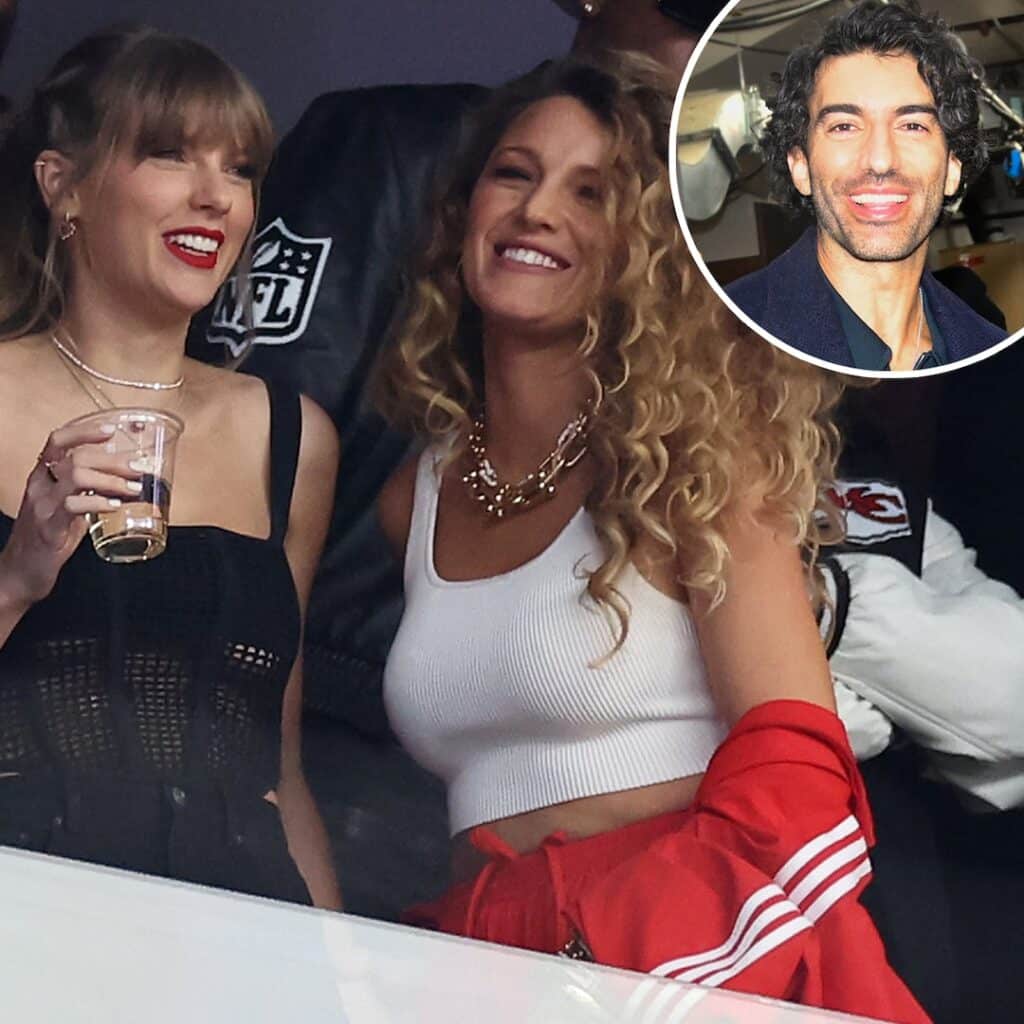
In a surprising twist involving the entertainment world, Justin Baldoni finds himself at the center of legal drama intertwined with celebrity dynamics, notably those of Taylor Swift and Blake Lively. The unfolding story sees Baldoni, alongside several other parties, taking legal action against The New York Times, raising questions about media responsibility and celebrity privacy. This article delves into the details of the lawsuit, the accusations involved, and the implications of being able to access privileged communications within Hollywood’s elite circles.
### The Lawsuit Unfolds
On December 31, 2024, Justin Baldoni, through his production company Wayfarer and other associated parties, initiated a lawsuit against The New York Times. The suit, as acquired by E! News, levies serious accusations against the newspaper, including libel, false light invasion of privacy, promissory fraud, and breach of implied-in-fact contract. At the heart of the issue is an article by The Times which alleged a retaliatory smear campaign against Blake Lively. The plaintiffs, including Baldoni, have branded the report as “false,” arguing it misrepresents situations by using Lively’s complaint narratives, which they claim are unverified and self-serving.
### Allegations and Responses
The lawsuit categorically denies the claims mentioned in the article, arguing that messages and situations were taken out of context. They assert that evidence contrary to Lively’s narrative was ignored by The New York Times, suggesting that the publication leaned heavily on Lively’s version of events to craft their storyline. “Despite its claim to have ‘reviewed these along with other documents,’ the Times relied almost entirely on Lively’s unverified and self-serving narrative,” the lawsuit highlights.
### Accusations of a Smear Campaign
Interestingly, the lawsuit flips the accusations, asserting that Lively herself engaged in a “calculated smear campaign” rather than Baldoni and others. These claims have been adamantly denied by Lively. The New York Times stands by its reporting, stating that it conducted a thorough investigation involving thousands of pages of documents, including text messages and emails, to substantiate its article. “Our story was meticulously and responsibly reported,” a representative of the paper stated, emphasizing their commitment to following the facts.
### Implications for Celebrity Privacy
This legal battle raises important questions about the balance between journalistic reporting and the privacy of public figures. With the ability to access and cite text messages and other communications, the boundaries of privacy and the integrity of media reporting are under scrutiny. While Baldoni’s involvement confirms connections to influential figures like Taylor Swift and Blake Lively, it also brings to light the complexities celebrities face in navigating both personal and public spheres.
The New York Times maintains its position, expressing a firm intent to “vigorously defend against the lawsuit.” As this situation progresses, it may well set precedents concerning the protection of celebrity communications and the accountability of media entities in the digital age.