In a significant legal development, Marvel Studios has avoided disclosing its “highly confidential” materials related to the development of Ryan Reynolds’ character Nicepool. This follows a judicial decision that dismissed Justin Baldoni’s defamation case against Blake Lively and Ryan Reynolds. The case has captivated attention due to its overlap with Marvel’s hit film “Deadpool & Wolverine.” Discover how this decision unfolds amidst Hollywood’s legal intricacies and the interconnected worlds of blockbuster films.
Judge Dismisses Defamation Claims
On Monday, Judge Lewis Liman dismissed Justin Baldoni’s defamation lawsuit against Blake Lively and Ryan Reynolds, thus exempting Marvel from producing proprietary documents related to Reynolds’ portrayal of Nicepool. While Baldoni has the option to amend his complaint regarding alleged contract interference by June 23, the dismissal of defamation claims directly affects the Nicepool subpoena.
The legal tension between Baldoni and Marvel has been ongoing, with both parties engaged in a contentious back-and-forth. The studio resisted the director’s attempts to obtain confidential materials as part of his $400 million lawsuit against Lively and Reynolds, which accused them of launching a smear campaign.
Allegations and Implications
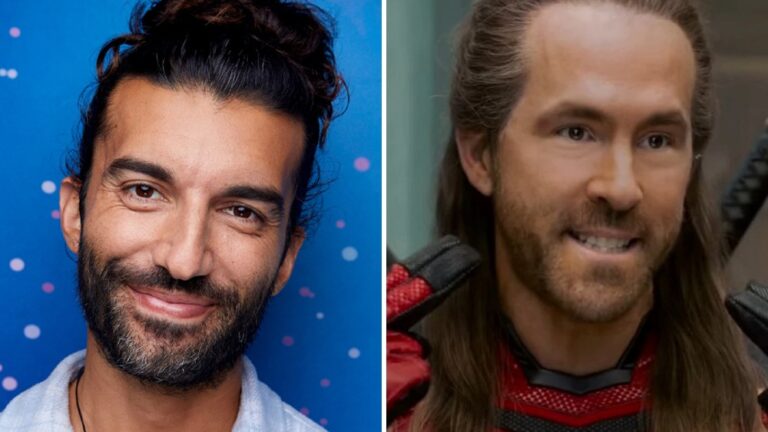
Baldoni’s legal team argued that Reynolds’ depiction of Nicepool in “Deadpool & Wolverine” served as a personal mockery. The character, a misogynistic version of Deadpool, delivered controversial lines that echoed accusations in Lively’s lawsuit against Baldoni. These accusations include alleged sexual harassment and defamatory comments made during the production of “It Ends With Us.”
Despite Marvel’s objections, Baldoni’s lawyers sought documents detailing the development of the Nicepool character, arguing they were relevant to the defamation case. However, Marvel contended the requests were burdensome and unrelated to the actual claims.
Legal Maneuvers and Responses
Attorney Adam Levin, representing Marvel, argued that producing the requested documents would harm Marvel’s interests by exposing sensitive franchise details. He noted Marvel’s approach to maintaining secrecy over its storylines and future character developments.
Conversely, Baldoni’s legal representatives contested Marvel’s stance, insisting that the subpoena’s scope had been narrowed and that it required only materials related to a single character from one film. They also criticized Marvel’s protective measures to prevent document disclosure, calling them insincere.
Wider Legal Context
Baldoni’s legal entanglement with Marvel is part of a broader dispute with Lively involving several lawsuits related to “It Ends With Us.” Baldoni accuses Lively of orchestrating false harassment claims, while Lively’s team celebrated the recent legal win, expressing confidence in future proceedings.
This case, with its web of Hollywood connections and ongoing media scrutiny, demonstrates the complex intersections of entertainment law. The Marvel strategy underscores the importance of protecting proprietary information in a highly competitive industry.
Marvel’s efforts to shield confidential documents and the legal sparring over Nicepool’s portrayal reflect the high stakes involved in the portrayal and development of influential characters, especially within the renowned Marvel Cinematic Universe. As Baldoni prepares for potential amended complaints, the ongoing narrative highlights the intricacies of legal battles in the cinematic realm.