In a gripping journey of discovery and healing, Kerri Rawson grapples with the haunting legacy left by her father, Dennis Rader, who led a double life as the infamous BTK serial killer. After his arrest, Rawson found herself entangled in a web of emotional turmoil and unanswered questions, despite her father’s presence behind bars. Through interviews, documentaries, and a personal commitment to advocacy, she continues to confront the chilling reality of her father’s crimes, seeking answers to comprehend the trauma that reshaped her life and identity.
The Unraveling of a Nightmare
For nearly three decades, Wichita, Kansas, lived in fear of a mysterious predator known only as BTK, standing for “bind, torture, kill.” This elusive criminal targeted victims across various demographics, cleverly evading capture while taunting investigators with letters. By 2005, BTK’s identity remained a formidable enigma, classified as one of Kansas’s most perplexing cold cases.
Kerri Rawson, residing in Michigan at the time, was confronted with a shocking revelation when FBI agents arrived at her doorstep. Her father, once a revered community man, was unmasked as BTK. This revelation altered her life irrevocably, as she struggled to reconcile the father she knew with the monster behind the mask.
Behind Closed Doors
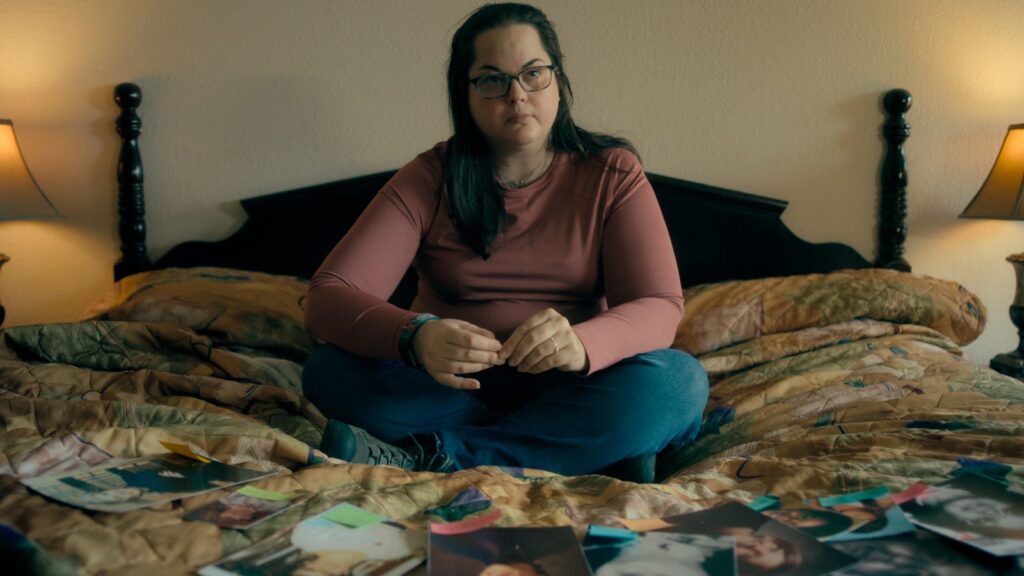
In June 2005, Dennis Rader confessed to ten counts of first-degree murder. While serving his sentences in Kansas, Rawson began piecing together the life of a man she thought she understood. The Netflix documentary “My Father, the BTK Killer” delves into the complex duality of Rader’s existence, painting a portrait of a devoted family man obscuring a sinister alter ego.
Despite his public persona, Rawson and her family had been aware of an underlying temper. Describing volatile household moments that clashed with his mild-mannered image, she recounted how even minor disturbances could provoke explosive outbursts. This dichotomy added layers to the mystery of her father’s hidden life.
The Legacy of Betrayal
Rader used family life as a smokescreen for his horrific acts, balancing domestic routines with brutal crimes. Unbeknownst to his family, evidence lay hidden in plain sight—murder paraphernalia stored openly at home. Rawson recalls chilling overlaps between family events and her father’s criminal activities, revealing how close she lived to unimaginable horrors.
Following revelations of his guilt, Rawson was drawn into the investigative fold, aiding police in probing further into her father’s potential crimes. Her courageous efforts contributed to ongoing investigations, shedding light on Rader’s complex psyche while confronting the shadows of his past.
A Journey Toward Healing
As she processed unimaginable truths, Rawson embarked on a personal journey to reclaim her story. Her memoirs, including “A Serial Killer’s Daughter,” trace her path from shock and anger to advocacy and empowerment. Delving into memories, she confronted suppressed fears and sought to build a future beyond her father’s dark legacy.
Determined to heal, Rawson now channels her experiences into victim advocacy. Though Rader remains imprisoned, she is forging a new identity independent of his shadow. “I’ll grieve those memories,” Rawson reflects, acknowledging the loss but also embracing a future where she can find peace and strength away from the past.