Norway‘s entry for the Oscars, “Growth of the Soil,” has stirred significant excitement back home, even before premiering at notable film festivals like TIFF and San Sebastián. Based on Knut Hamsun’s Nobel Prize-winning novel, the film captures the essence of Norwegian identity and the struggle of human connection amid the backdrop of nature’s unforgiving landscape.
Director Insights: Defining the Core of Humanity
Director Hans Petter Moland, known for his previous works including “In Order of Disappearance” and “A Somewhat Gentle Man,” reflects on the journey of creating the film. “After I finished the film, I went sailing for a couple of weeks and was off the coast,” he shares, underscoring his modesty despite the growing acclaim. He emphasizes the significance of audience engagement, stating, “It’s about very simple things: about a man and a woman, and the beginning of a civilization. It resonates with all of us.”
Reimagining a Classic
Moland took “tremendous liberties” in adapting Hamsun’s 1917 masterpiece, aiming to distill its essence while allowing himself creative freedom. “When you approach a work of this scale, you can’t be too respectful or too admiring. You have to decide what its core is and then liberate yourself from it,” he explains. This approach brought about a script that intertwines Moland’s vision with the historical context of the story.
Life on the Frontier
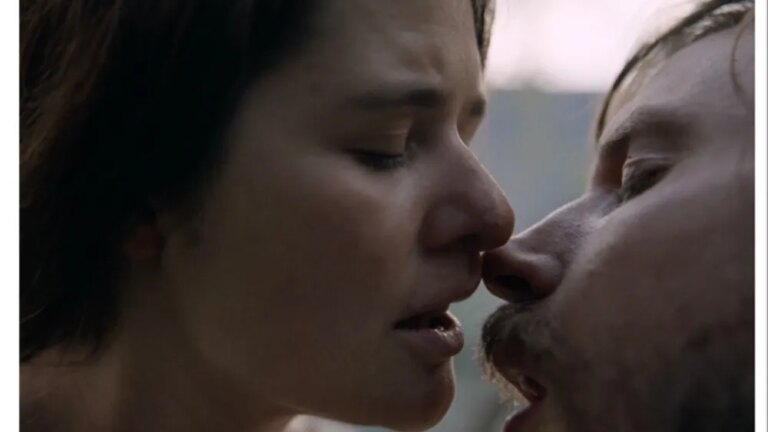
Produced by 4 ½ Fiction in cooperation with Scanbox Entertainment, the film follows Isak, portrayed by Herbert Nordrum, in a desolate landscape where he endeavors to carve out a new life. He encounters Inger, played by Asta Kamma August, who is ostracized by her community. Together, they build a life marked by shared challenges and the evolution of their relationship over time. “It’s an epic love story,” Moland notes, highlighting how necessity brings them together in an “arranged marriage—by nature,” which blossoms into affection.
The Struggles of Modern Relationships
Moland points out the universal themes of their relationship, noting that “two people who start out loving each other are also capable of hurting each other.” He draws parallels between the struggles faced by Isak and Inger and those of contemporary couples, suggesting that the rapid changes of the modern world echo the challenges of their time.
Inger’s character embodies a significant transformation: “She brings capitalism to the farm,” Moland explains, illustrating how her desire for independence alters their joint venture. Through her journey, we see the constraints society imposes on personal relationships, as well as the innate human desire for growth and happiness.
A Conversation About Cinema
Moland shares his perspective on cinematic storytelling, expressing a preference for visual language over dialogue. “I like to make movies, not ‘talkies,’” he quips. He critiques the influence of television on the cinematic experience, advocating for a more straightforward storytelling approach that focuses on the human condition. “This is instantly relatable because it’s about human beings. And human beings are interesting,” he adds, emphasizing the film’s relatable essence drawn from simple, profound experiences.
“Growth of the Soil” not only aims to shine on the international stage but also seeks to encapsulate the timeless essence of love, struggle, and the shared human experience. Viewers can catch an exclusive look at the film’s trailer, showcasing its stunning visuals and heartfelt narrative:
“Growth of the Soil” premieres its exclusive trailer here: