“Everything that follows is true. Exactly as we dreamed it,” declares the opening title of “Burgundy,” crafted by the acclaimed documentary pair Michael Dweck and Gregory Kershaw. This whimsical introduction sets a lighthearted tone for the film, yet it also carries an air of defensiveness, perhaps hinting that the filmmakers recognize this project diverges from the incisive narratives of their previous works, “The Truffle Hunters” (2020) and “Gaucho Gaucho” (2024). “Burgundy” unfolds more as a leisurely exploration than a potent examination of its vineyard-centered subject, offering a fragrant, yet fleeting experience that lacks lasting substance.
The Vineyard’s Cast of Characters
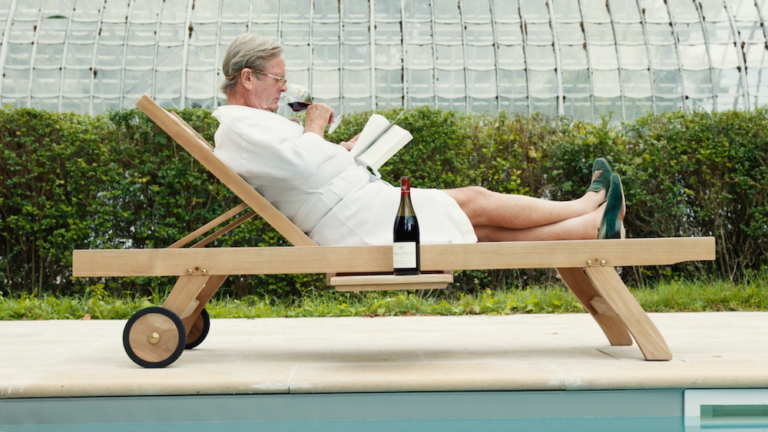
The film immerses viewers in the picturesque world of Burgundy’s viticultural heritage, paired with infectious ’60s pop music that accentuates its visual charm. Among the film’s central figures is Bertrand Devillard, the steadfast patriarch of a 160-year-old winemaking estate. Much like the estate itself, Bertrand is a diligent overseer, juggling both leisure and worry, especially as the future of his family winery seems uncertain. His grandson Melchior displays little inclination toward the family business, opting to chase financial ambitions instead.
In contrast, Enzo, a handsome young man with a vintage aura reminiscent of mid-century cinema, aspires to cultivate his vineyard. In the meantime, he works on Bertrand’s estate, absorbing every facet of winemaking—from cleaning the vats to stomping the harvest. The film introduces a host of supporting characters, including Enzo’s love interest, Céleste, a trainee sommelier; Patrick, the maitre’d of a nearby Michelin-starred restaurant; and Guillaume, a witty wine critic navigating personal woes, providing comic relief without the film’s overall poignant seriousness.
An Artistic Approach to Documentary Filmmaking
Dweck and Kershaw exhibit their usual meticulous craftsmanship, a hallmark of their filmmaking style. The directors’ decision to recreate interactions that might have unfolded in less picturesque settings adds a layer of narrative complexity. Editor Pauline Gaillard’s sharp cuts enhance the humor, frequently aligning with the moment a character discards their mouthful of Pinot Noir, offering a playful commentary on the dreamlike world they inhabit.
Whimsical Touches and Narrative Digressions
However, the inclusion of whimsical 8mm footage showcasing Enzo and Céleste’s budding relationship feels less integral and more like an afterthought, diluting the film’s focused narrative. A sequence featuring the couple attending a screening of “Bonnie and Clyde” and playfully reenacting the characters seems overly cute, straying from the film’s intended exploration of the region and its wine culture.
A Shift in Focus and Intent
In a compelling contrast to “The Truffle Hunters,” which tenderly depicted the endearing bonds between seasoned truffle hunters and their dogs, “Burgundy” lacks a similar source of warmth and charm. As a result, some portrayals drift towards caricature, revealing the limitations of Dweck and Kershaw’s constructed narrative style. When Enzo abruptly exits the vineyard to pursue a venture in mussel farming, the planned narrative of a dedicated dreamer blurs and loses impact, raising questions about the authenticity of his fascination with viticulture.
The film pivots in its final third to focus on the romantic entanglements between Enzo and Céleste as they navigate their respective departures from the vineyard, shifting the emphasis away from the rich viticultural landscape “Burgundy” initially aimed to celebrate. This transition may challenge viewer investment, particularly as the film struggles to balance its romantic subplot with its intended exploration of winemaking culture.
A Toast to Wine and Film Analysis
While wine enthusiasts may appreciate “Burgundy” for its homage to the multifaceted disciplines of winemaking, cinephiles might find themselves yearning for a more cohesive narrative. The film pushes the boundaries of documentary realism, potentially leaving audiences unsatisfied by its attempts to mythologize an already exclusive world. In the end, “Burgundy” presents a vintage that is alluring and promising at the initial taste, yet it ultimately lacks the depth and complexity that one hopes to savor until the very last drop.