When Talking Heads found their groove, they struck a chord that would resonate across decades. Their sophomore album, “More Songs About Buildings and Food,” released 47 years ago, stands out as a masterpiece of its time. This album, with its unique blend of art rock and new wave influences, showcases the band’s evolution and solidifies their place in music history. Featuring collaborations with legendary producer Brian Eno, this record paved the way for future successes and continues to be celebrated for its creativity and innovation.
The Album’s Distinctive Qualities
“More Songs About Buildings and Food” is often celebrated for its panic-attack propulsion and highwire anxiety. Released in the late 1970s, it captures the essence of media-age alienation, wrapped in a lean and muscular sound. Described as the Sgt. Pepper of its era, the album’s coherence and prescience remain impressive. Eno’s subtle influence and collaboration with the band on this project marked the beginning of a fruitful relationship, leading to subsequent classics like “Fear of Music” and “Remain in Light.”
Context and Cultural Impact
The album’s re-release as the “More Songs About Buildings and Food (Super Deluxe Edition)” coincides with Talking Heads’ journey toward their half-century milestone. This period has seen a resurgence in interest, driven by the reissue of Jonathan Demme’s concert film “Stop Making Sense” and David Byrne’s revitalization of the band’s catalog through the “American Utopia” project. Meanwhile, memorabilia from the band’s era have surfaced in memoirs and tours by former members and tribute acts, keeping their legacy alive.
Eno’s Artistic Touch
Brian Eno’s contribution to “More Songs About Buildings and Food” is both subtle and transformative. His work created a distinctive sound, evident in the track “The Good Thing,” which was crafted with a vibe reminiscent of his own “Before and After Science.” The album was one of the earliest recordings at Compass Point Studios, and Eno’s innovative production techniques helped shape its sound. Notably, his influence is felt in the snappy “Warning Sign,” where the foreboding mood is brilliantly executed.
Exploring Alternate Takes
The album’s bonus material provides a fascinating glimpse into the band’s creative process. Alternate versions of tracks reveal adjustments in tempo and arrangement, offering insight into their evolution. Though the bonus cuts don’t drastically alter the landscape of “More Songs About Buildings and Food,” they highlight how Eno’s artful touch pulled individual tracks into a cohesive and energetic whole, ideal for the vibrant party scenes of the era.
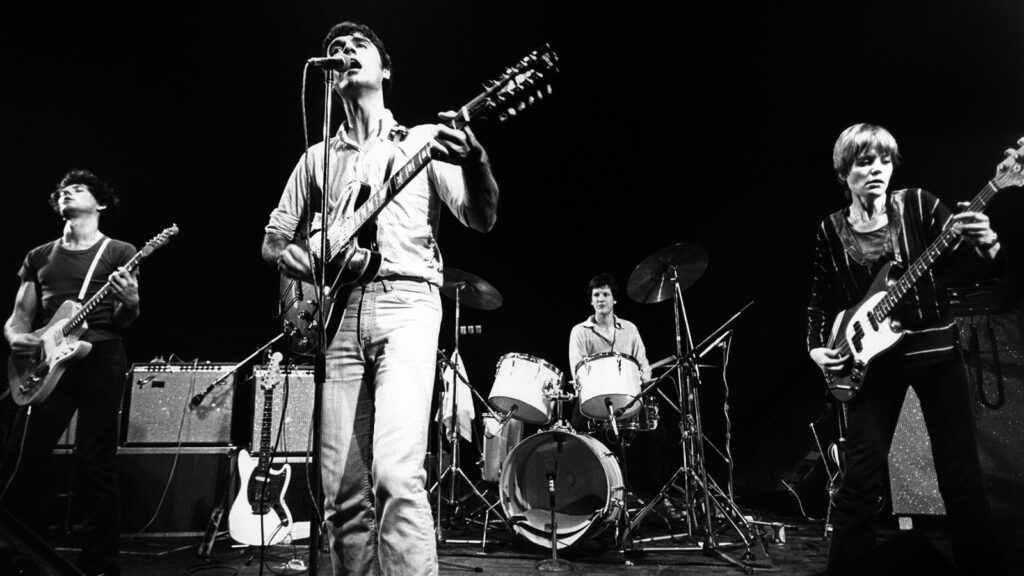
The culmination of Talking Heads’ efforts during this period is captured in a live recording from 1978, offering a snapshot of the band in transition. The concert showcases their growth from a trio to a dynamic quartet, with new material hinting at the innovative paths they would continue to explore. “More Songs About Buildings and Food” remains a landmark in Talking Heads’ journey, a testament to their innovative spirit and enduring influence.