In a moment of celebration for the legacy of Gram Parsons, the iconic country-rock musician, we found ourselves contemplating a delightful musical dilemma: Which track reigns supreme, “Hot Burrito #1” or “Hot Burrito #2”? This question may not have been intended as a riddle, but as we dive deeper, the definitive answer becomes intriguingly elusive.
The Burritos’ Genesis
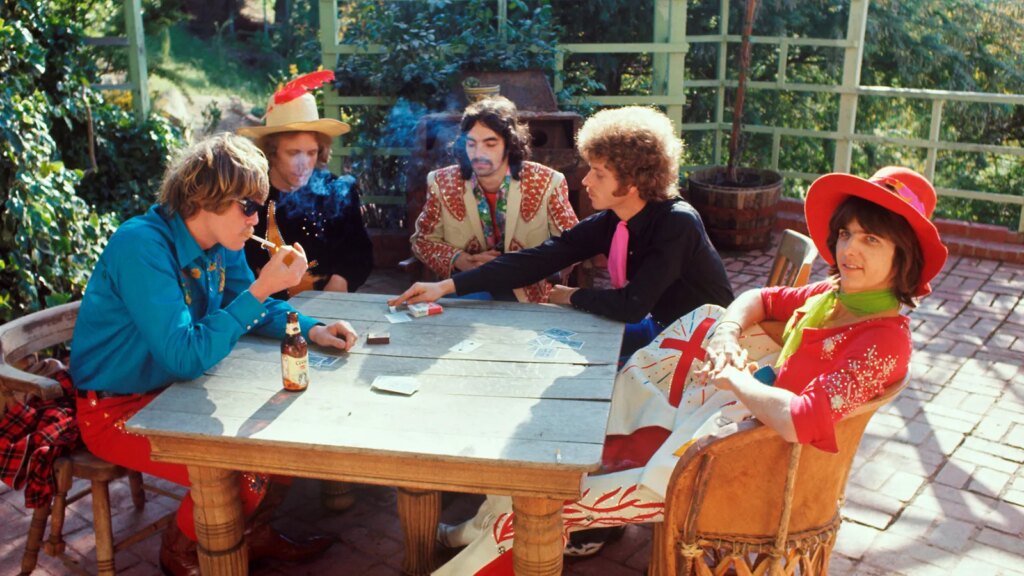
Back in 1969, the Flying Burrito Brothers emerged with their groundbreaking album, The Gilded Palace of Sin. Featuring the songwriting talents of Gram Parsons and Chris Hillman, alongside bassist Chris Ethridge and pedal steel guitarist Sneaky Pete Kleinow, the band was born from the innovative atmosphere created by the Byrds during the recording of Sweetheart of the Rodeo. The musicians found their footing in a San Fernando Valley bachelor pad dubbed Burrito Manor, establishing a creative hotspot for their country-rock ambitions.
Crafting the Burritos
The path to The Gilded Palace of Sin was paved by Parsons and Hillman’s visionary approach to “Cosmic American Music,” blending the heart of Nashville country with the soul of Memphis. The album showcased their songwriting prowess, including iconic melodies alongside a couple of country-soul covers penned by Chips Moman and Dan Penn. Among their original contributions, “Hot Burrito #1” and “Hot Burrito #2” emerged from a spontaneous creative session at Burrito Manor, where Ethridge shared old melodies that they quickly transformed into songs worth celebrating.
Contrasting Heartache and Celebration
So what sets the two songs apart? “Hot Burrito #1” is a poignant ballad steeped in longing, showcasing Parsons’ ability to convey heartbreak in an emotive and vulnerable manner. Its distinctly raw quality strikes a chord with listeners. On the other hand, “Hot Burrito #2” offers a lively, soulful experience with an exuberant chorus that might evoke the energy of a Southern church gathering. This contrast between yearning and exuberance is a defining characteristic of their artistry.
Experts Share Their Verdicts
In a roundtable discussion among music experts, opinions quickly tilted in favor of “Hot Burrito #1.” Rolling Stone senior music writer Angie Martoccio noted, “Is this something people actually debate? ‘#1’ is usually seen as superior.” Contributing editor Rob Sheffield echoed her sentiments, praising it as exemplifying Parsons at his most vulnerable and emotionally resonant.
Despite a strong appreciation for “Hot Burrito #2,” none of the music aficionados we consulted supported it over “#1.” The song’s heartbreak and rich musicality indeed stole the spotlight. Director Ron Mann called “#1” the song “most likely to break your heart,” while singer-songwriter John Fullbright ordered it “with extra longing and a side of strange but beautiful chord progression.”
A Family Connection
Interestingly, even Parsons’ daughter, Polly, expressed a clear preference for “Hot Burrito #1,” noting it was written for her mother. This personal touch adds another layer of depth to an already riveting debate.
A Legacy that Lives On
In a fascinating twist, Elvis Costello reinterpreted “Hot Burrito #1” under the title “I’m Your Toy” for his 1981 album, Almost Blue. His rebranding of the classic showcases an artist’s desire to leave a personal mark on the beloved original. Notable covers of “Hot Burrito #2” span decades, with artists ranging from My Morning Jacket to Emmylou Harris, fortifying its place within the canon of Americana music.
Ultimately, the discussion surrounding these two tracks is reminiscent of the broader appeal of Parsons’ music. While the majority may lean toward “Hot Burrito #1” for its underlying emotions and poignancy, “Hot Burrito #2” remains a spirited contender with its unique charm. As fans of Gram Parsons, we can celebrate both songs and the incredible legacy he continues to leave behind.
As we bid a fond farewell to this musical inquiry, it’s clear that the essence of Gram Parsons remains intertwined with both tracks, inviting us to explore and cherish his musical genius.