Credit: Far Out / Reddit
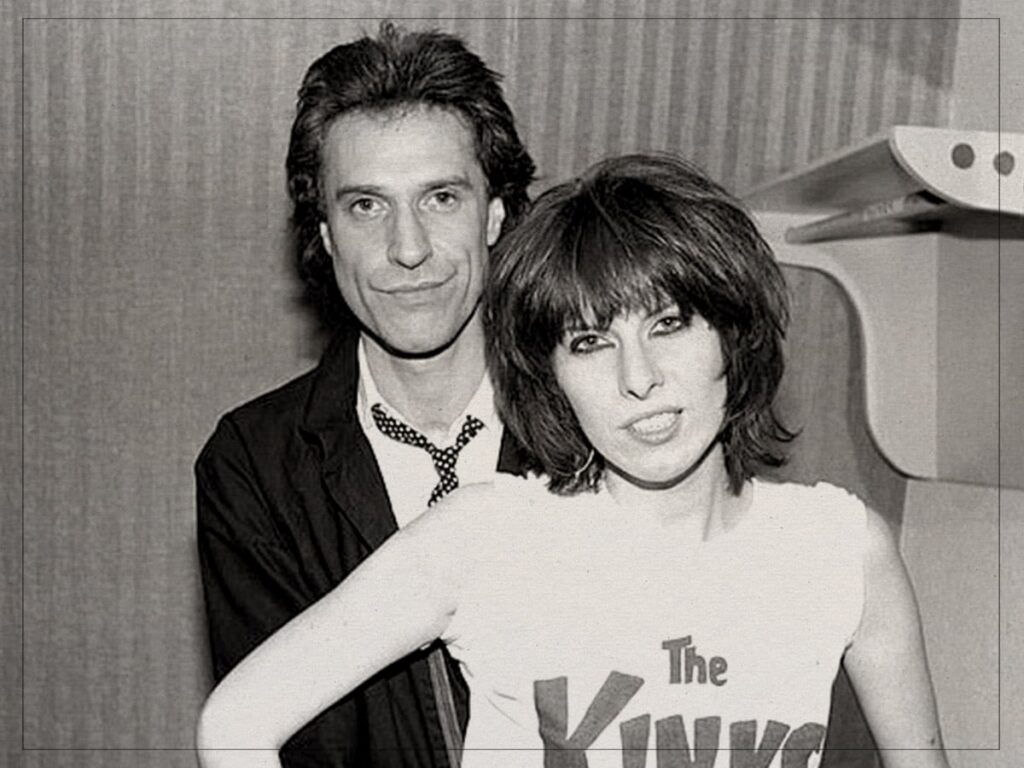
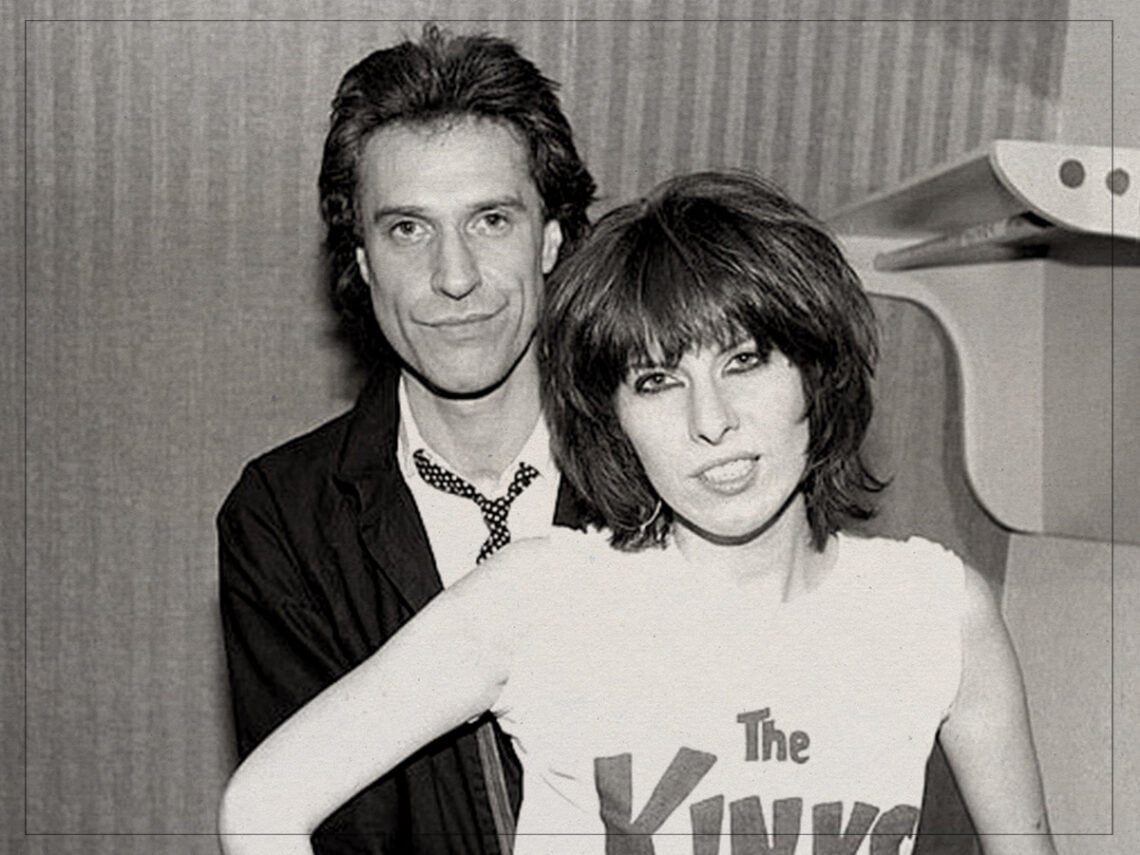
Ray Davies, the iconic frontman of the legendary British band The Kinks, has always embodied the spirit of rock and roll, not just through his music but also through a tumultuous life filled with intriguing experiences. One of the most shocking events occurred in January 2004, when a mugging in New Orleans left him physically injured and deeply reflective about his relationship with America.
The Mugging in New Orleans
On a seemingly ordinary day in New Orleans’ French Quarter, Davies and his girlfriend, Suzanne Despies, found themselves in a harrowing situation. As they relaxed on their vacation, their world unexpectedly shifted when a gunman emerged from a passing car, demanding Despies’ handbag. While she complied, Davies’ instinctive reaction was far more defiant; drawing on his working-class roots, he pursued the assailant in a bid to reclaim the stolen property.
However, this decision had dire consequences. Just before the mugger disappeared into a getaway car, he turned, leveled his gun at Davies, and shot him in the leg. This sudden violence halted the singer instantly, resulting in a serious injury that could have been far worse had the bullet struck just a fraction of an inch closer to a critical vein.
Hospitalization and Reflection
After being shot, Davies was rushed to the hospital, initiating a challenging period of recovery. Despite the gravity of the event, he was fortunate to have non-life-threatening injuries and was discharged soon after. This experience, however, left an indelible mark on him, one he articulated in his later writings.
As he began penning his memoir, Americana: The Kinks, the Riff, the Road: The Story, Davies vividly recounted the New Orleans incident, influenced partially by the effects of medication during his recovery. In his narrative, he reflected on the lack of professionalism he encountered at the hospital, where a radiologist bizarrely requested his autograph while examining his X-ray. The absurdity of the situation added a surreal layer to an already traumatic experience.
Police Response and Aftermath
The police response to the attack was equally disheartening for Davies. After the incident, New Orleans police chief Eddie Compass commented on the situation, noting that Davies had exercised poor judgment in chasing the assailant. Meanwhile, two suspects were arrested following the mugging; Jerome Barra, the car’s driver, faced charges for armed robbery and aggravated battery, while his accomplice, Kawan Johnson, was taken into custody but never brought to trial.
Ultimately, the case fell apart when Davies, in true rock star fashion, failed to appear in court. He claimed he had only received a notification of the trial two days prior, making it impossible for him to travel from London on short notice. Consequently, both men were released without conviction.
Cultural Reflections
While Davies managed to move past the trauma of the incident, it profoundly influenced his artistic outlook. Initially drawn to the United States and its vibrant artistic community, he found himself reevaluating his relationship with the country. In his reflections, he acknowledged how America had inspired him to pursue music, yet recognized that its cultural dominance often prompted him to embrace and exalt his English heritage in his songwriting.
This turning point forced Davies to acknowledge the stark contrasts between the two cultures. He embraced both his English roots, often celebrating the simplicity of village life, and the tumultuous reality of American life, admitting, “It’s a beautiful place but a dangerous place, as I found out.”