The dilemma of enjoying a piece of art created by problematic individuals—be it actors, authors, or musicians—has become increasingly relevant in today’s cultural discourse. When fans confront harsh realities about figures they admire, such as blatantly racist or antisemitic behavior, it raises a poignant question: Does this revelation tarnish the enjoyment of their past work?
A Fan’s Genuinely Heartfelt Question
One fan posed a heartfelt question to actor Wil Wheaton, reflecting on her deep connection to the show Buffy the Vampire Slayer. She recounted how the series had been a source of comfort during her difficult teenage years, particularly the emotionally powerful episode “The Body” after she lost her father. However, with the knowledge of Joss Whedon’s troubling behavior now public, she found herself grappling with whether it was appropriate to still enjoy the show, or if doing so would be disrespectful to those who suffered under his leadership.
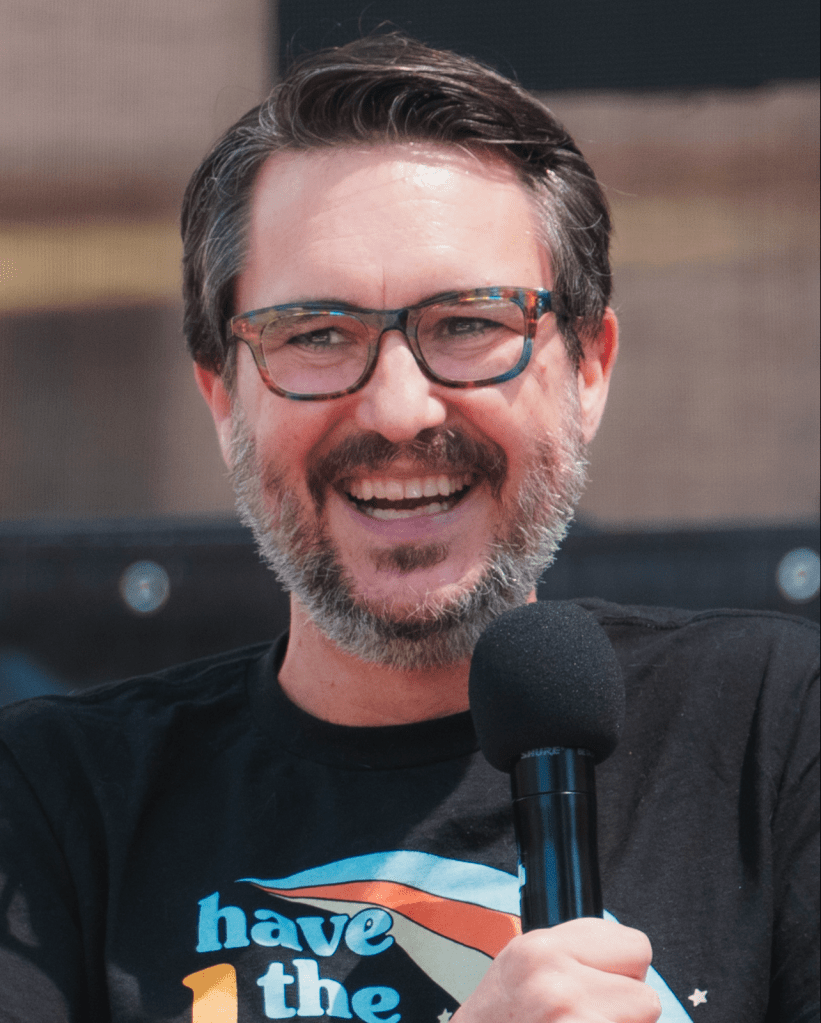
Wheaton offered a candid response, drawing from his own experiences with artists whose work had significant personal meaning to him. He spoke of a musician whose lyrics helped him navigate feelings of loneliness during his teenage years, only to later learn that the artist had grown into a reprehensible bigot. Initially, Wheaton found it difficult to enjoy the music again, but with time, he realized that the music, and the feelings it evoked, belonged to him, not the artist.
He articulated that while Joss Whedon is undeniably a part of Buffy, the work itself is also a collective endeavor, embodying contributions from many talented actors and crew members. The emotional resonance the show had for her—especially during a time of personal loss—should not be overshadowed by Whedon’s harmful actions. Wheaton emphasized, “His bad behavior is on him. He has to live with it, and the consequences of it.” In his view, the experiences of those affected are what truly matter, allowing fans to reconcile their emotional connections with the work despite the artist’s toxic legacy.
The Bigger Philosophical Question
The issue of separating art from the artist remains a complex philosophical debate. It raises fundamental questions about authorship, moral accountability, and the enduring impact of collaborative creativity. In 2023, The Atlantic published an insightful opinion piece by Judith Shulevitz, asserting that art can transcend the imperfections of its creator. This perspective aligns well with Wheaton’s thoughtful approach, especially concerning works that are the result of collective efforts.
This article originally appeared five years ago. It has been updated.