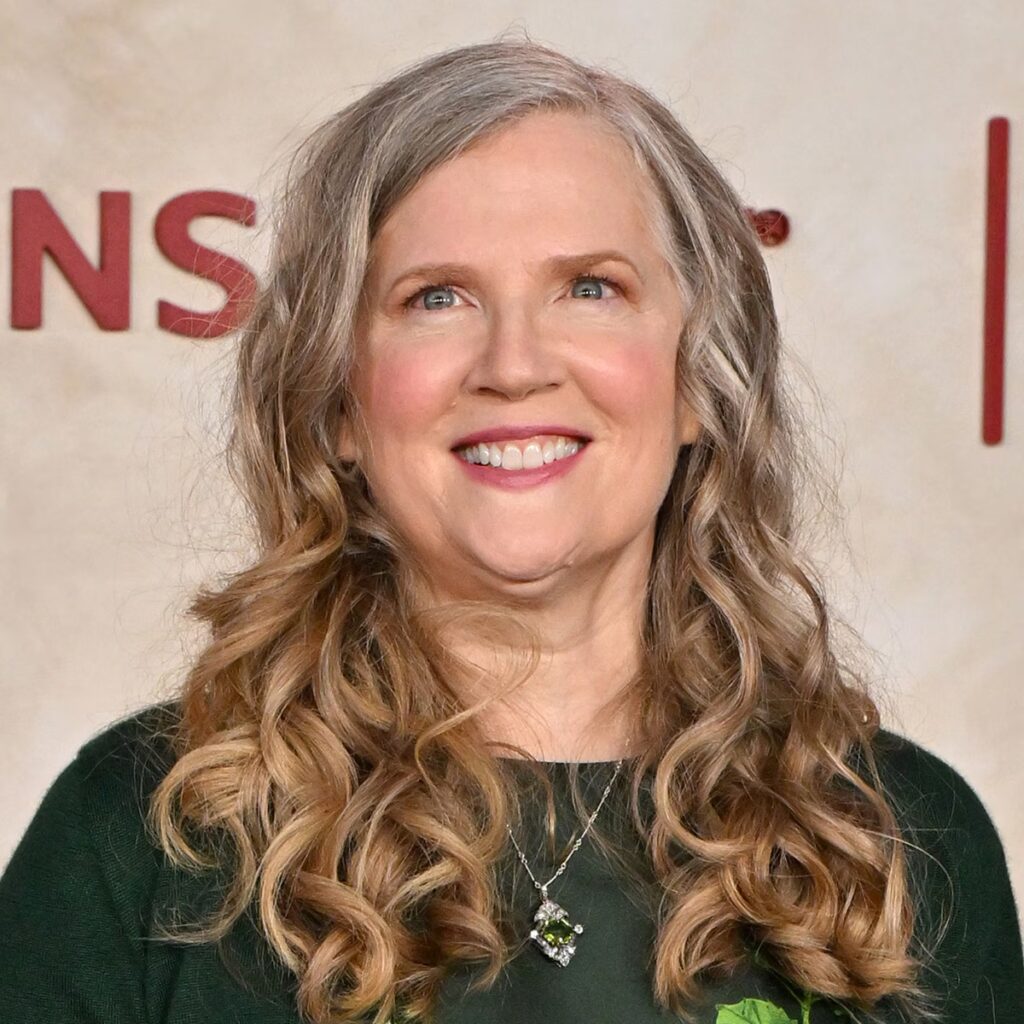
Emilia Clarke, widely known for her iconic role in Game of Thrones, faced a life-altering challenge that many fans were unaware of during her rise to fame. In 2019, she opened up about her harrowing experience with a brain aneurysm in a candid essay published in The New Yorker, titled “A Battle for My Life.”
Facing a Life-Threatening Condition
During what seemed to be a normal day at the gym, Clarke experienced a sudden and severe headache. She recounted the moment, saying, “I reached the toilet, sank to my knees, and proceeded to be violently, voluminously ill.” The pain intensified, and she sensed that something was terribly wrong. “At some level, I knew what was happening: my brain was damaged.”
Clarke was rushed to the hospital for a brain scan, where doctors quickly diagnosed her with a subarachnoid hemorrhage (SAH)—a grave type of stroke resulting from bleeding around the brain. She revealed, “The diagnosis was quick and ominous: a life-threatening type of stroke, caused by bleeding into the space surrounding the brain. I’d had an aneurysm, an arterial rupture.”
Undergoing Surgery and Recovery
Immediate surgery was necessary to seal the aneurysm, a procedure Clarke described as “unbearable.” In the days that followed, she faced another challenge: aphasia. “I was muttering nonsense,” she wrote, conveying the disarray in her mind during recovery. Fortunately, a week later, “the aphasia passed,” and she was able to leave the hospital a month after her admission.
A Second Battle
In 2013, a follow-up scan revealed that Clarke’s condition had worsened, with the growth doubling in size. This news necessitated another surgery. She recalled the terrifying moment post-surgery: “When they woke me, I was screaming in pain. The procedure had failed. I had a massive bleed.” The gravity of the situation prompted doctors to warn her about the precarious nature of her survival unless they performed another operation, this time opting for a craniotomy to access her brain directly.
Health and Hope
Despite the intense struggles and setbacks, Clarke triumphantly shared that she is now “at a hundred percent,” having regained her health and strength. Her journey not only highlights the challenges faced by those with life-threatening conditions but also serves as an inspiring reminder of resilience and the importance of seeking medical attention promptly.