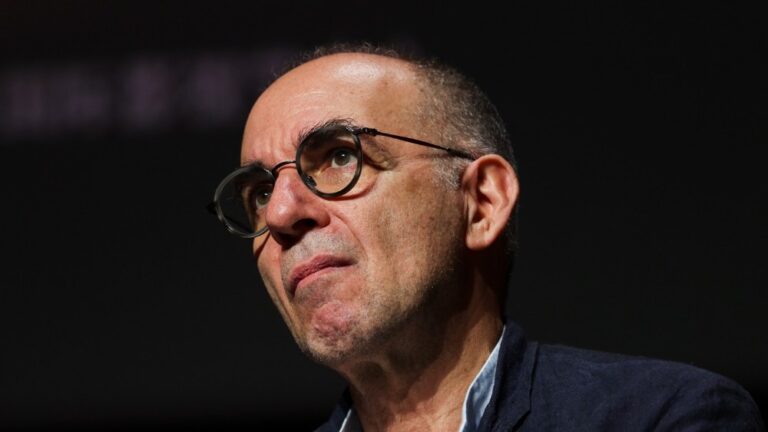
Giuseppe Tornatore, the acclaimed director of the Oscar-winning film “Cinema Paradiso,” captivated audiences at the Shanghai International Film Festival with an insightful masterclass, revealing that the cherished movie took 11 years to germinate before a single word was written. This cinematic masterpiece was not only a product of Tornatore’s deep reflections but also an amalgamation of his personal experiences and childhood memories. Through his engaging discussion, the Italian filmmaker underscored the essence of patience, artistic integrity, and the enduring magic of cinema.
The 11-Year Journey of “Cinema Paradiso”
During his masterclass, Tornatore candidly shared with film scholar Marco Müeller that while working on his first film about the Mafia, “The Professor,” he was already envisioning “Cinema Paradiso.” For 11 years, this story brewed in his mind, evolving with each thought. “When I finally started writing, the script poured out in two and a half months,” he recounted, emphasizing that the story felt complete before he put pen to paper.
His narrative was enriched by a memorable encounter with Gabriel García Márquez, who reinforced the power of prolonged contemplation. “Márquez advised me that the more you think about a story, the richer it becomes,” Tornatore explained.
A Love Affair with Cinema
Tornatore’s passion for cinema traces back to his childhood in Sicily, where early experiences sparked a lifelong fascination. At a young age, he wondered about the origins of the images on the big screen, leading him to form a bond with a local projectionist. This friendship not only imparted technical skills but also cultivated his love for storytelling. By age 14, Tornatore was already working as a projectionist, immersing himself in the art of editing by analyzing film strips.
“Editing is crucial,” he noted. “I always encourage film students to learn multiple aspects of filmmaking, with a particular focus on editing.”
Collaborations and Cinematic Reflections
A significant part of Tornatore’s journey was his unexpected partnership with legendary composer Ennio Morricone. He reminisced about playing Morricone’s score at a political rally, breaking conventions with music that symbolized equality and justice.
Despite changes in cinema consumption, Tornatore remains optimistic. He values the traditional theatrical experience and urges younger audiences to embrace the unique atmosphere of the big screen. “The viewing methods may change, but the essence of cinematic storytelling remains,” he stated.
Staying True to Artistic Principles
Throughout his discussion, Tornatore emphasized the importance of maintaining one’s artistic convictions. He highlighted how personal principles guided the decisions of his characters, such as Totò in “Cinema Paradiso.” He urged filmmakers to remain true to their original intentions, asserting, “Having principles and sticking to them is crucial.”
Tornatore’s passion for cinema continues unabated, as seen in his disciplined routine of watching three films per week. His role as head of the jury at the Shanghai festival, watching 12 competition films over five days, rekindled memories of youthful days spent in theaters. “It reminded me of when I was young and could watch two films a day,” he reflected.