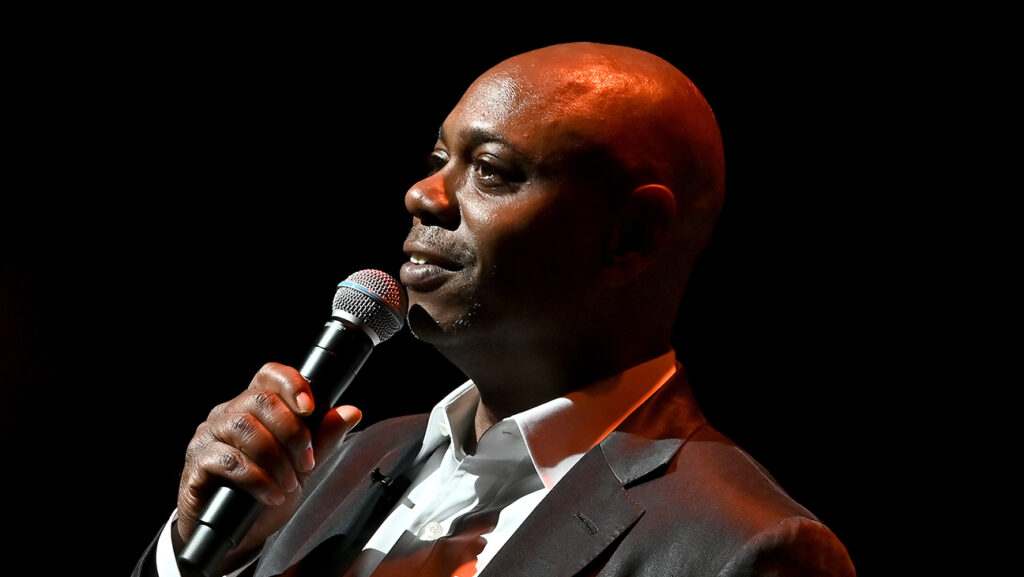
Dave Chappelle’s recent performance at the Riyadh Comedy Festival has stirred discussions on the state of free speech in America, placing him in the spotlight for his cutting remarks. The festival, held in Saudi Arabia, featured over 50 performers, but Chappelle’s comments stood out as he critiqued American freedom of expression. In a country known for strict regulations on speech, his views gained both significance and controversy. This article explores Chappelle’s statements and the complex backdrop of his performance.
Chappelle’s Critique of Free Speech in America
During his set at the Riyadh Comedy Festival, Chappelle addressed the restrictive nature of discourse in America. Speaking to an audience of 6,000, he mentioned, “Right now in America, they say that if you talk about Charlie Kirk, that you’ll get canceled,” as reported by The New York Times. He further added, “It’s easier to talk here than it is in America.” His remarks resonated, highlighting a perceived tension in his home country’s approach to controversial topics.
Chappelle also expressed apprehension about returning to the U.S., fearing repercussions for his outspoken nature. His comments, while humorous, reflected a serious critique of American free speech culture and its current challenges.
Irony Amidst Restrictions
The irony of Chappelle’s statements lies in the setting—Saudi Arabia, where stringent restrictions on speech exist. The nation licenses media outlets and enforces prohibitions on speech that might incite public dissent or question religious and royal authorities. Even the comedy festival itself had rules against criticizing religion or the Saudi government, illustrating the paradox of his comments on free speech delivered in such an environment.
Comedian Atsuko Okatsuka shared a list of terms for festival participation, highlighting the limits placed on performers. Meanwhile, Tim Dillon allegedly faced disinvitation for a past joke about Saudi Arabia, further underscoring the local speech constraints.
Controversy and Defense
The presence of international comedians at the Riyadh Comedy Festival has sparked debates about “comedy washing” and the financial enticements involved. Dillon’s mention of a $375,000 offer suggests significant incentives, fueling criticism over the ethics of participating in such events.
Comedian Bill Burr, however, defended the festival on his podcast, emphasizing its potential for positive cultural exchange. He described the experience as revelatory, noting the excitement of the local audience for genuine stand-up comedy and suggesting that such interactions could foster greater understanding.
Chappelle’s critique of free speech in America, delivered in a context laden with its own complexities, continues to provoke reflection on the balance between comedic expression and the societal frameworks that shape it. While some view it as an ironic gesture, others see it as an opportunity to engage with broader conversations about liberty and censorship.