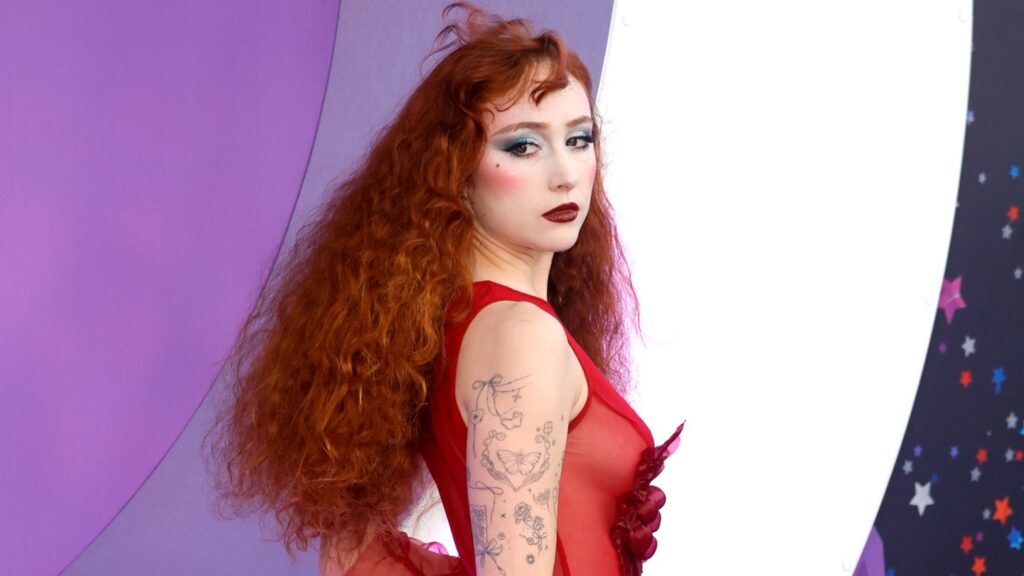
Chappell Roan has made it clear that she does “give a f***” about the backlash she faces, especially when it’s directed at her personally. As a bold and outspoken artist, Roan finds herself amid controversy and criticism. In a recent dialogue with SZA for Interview Magazine, she candidly shared her views on how criticism impacts her, highlighting the distinction between remarks about her music and those aimed at her as a person.
Personal Hits Versus Artistic Critiques
The Grammy-winning singer, renowned for her honest demeanor, revealed a shift in her perspective regarding backlash. During the conversation with SZA, she admitted, “I didn’t, until people started hating me for me and not for my art.” This marks a turning point for Roan, as she realized the criticism was becoming personal. When attacks targeted Kayleigh, her real identity, instead of her art, she felt the impact deeply. For Roan, the line between personal identity and public persona became increasingly blurred.
The Challenge of Public Perception
As the creator of hits like “Pink Pony Club,” Roan expressed her frustration with how easily people assume they know her based solely on her public image. She noted that fans only see Chappell Roan, not the person behind the stage name. “When things are taken out of context, people assume so much about you,” she stated. The singer openly questioned, “Am I the most insufferable bitch of our generation?”—highlighting the internal conflict she experiences when misjudged.
Coping with Criticism
Reading harsh critiques about herself makes Roan emotional, confessing, “it makes me cry.” She wondered if she could ever become desensitized to negativity. SZA resonated with Roan’s vulnerability, admitting her own doubts about handling fame. This conversation between two artists underscores a common struggle: the assumption that successful public figures no longer care about criticism when, in fact, they do. Roan’s admission is a testament to the shared human experience beneath the celebrity facade.
Standing Her Ground
Since rising to prominence, Roan has been vocal about several issues, including LGBTQ rights and unprofessional behavior in the industry. Her willingness to speak her mind, even “yell at a bitch on the carpet,” as she puts it, may not be universally accepted. However, Roan is assessing whether her outspoken nature is a sustainable part of her artistic journey. Despite the pressure, she remains committed to being authentic, even in the face of backlash.